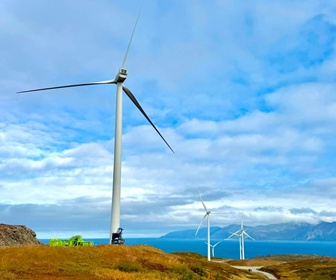





Wind generation in the USA is forecast to increase by 6.9% in 2026 and by a further 5.4% in 2027, according to an analysis by the Sun Day Campaign of data from the US Energy Information Administration (EIA). Wind is forecast to account for 11.36% of US electricity generation in 2026, the largest share among the individual renewable generation sources in the EIA forecast. Wind generation increased by 2.65% in 2025 compared with 2024. The EIA expects the increase to accelerate in 2026 before moderating in 2027.
Solar generation is forecast to grow more rapidly, increasing by 20.82% in 2026 and by 18.08% in 2027. Utility-scale solar generation increased by 33.79% in 2025 compared with 2024. Solar is forecast to account for 8.11% of US electricity generation in 2026.
The growth in solar generation is concentrated in grid regions managed by the Electric Reliability Council of Texas (ERCOT) and the Midcontinent Independent System Operator (MISO). The EIA expects solar generation in ERCOT to increase by 18 BkWh in 2026 and by a further 20 BkWh in 2027. In MISO, the corresponding increases are forecast at 13 BkWh and 11 BkWh.
Hydropower generation increased by 1.65% in 2025 and is forecast to rise by 3.66% in 2026, before remaining unchanged in 2027. Hydropower is expected to account for 5.84% of US electricity generation in 2026.
Overall, renewable energy sources, including wind, solar, hydropower, biomass and geothermal, accounted for 24.05% of US electricity generation in 2025, up from 22.49% in 2024. The share is forecast to reach 25.94% in 2026 and 27.48% in 2027.
The EIA also forecasts continued growth in battery storage capacity. Capacity increased from 2 GW in 2020 to 27 GW in 2024 and 43 GW in 2025. It is expected to reach 65 GW in 2026 and 91 GW in 2027. Pumped hydropower storage is forecast to remain at 23 GW in 2026 before increasing slightly to 24 GW in 2027.
US electricity sales are forecast to increase by almost 2% in 2026 to 4,135 BkWh, followed by another increase of nearly 2% in 2027 to 4,211 BkWh. The EIA attributes the growth mainly to data centre development and increased manufacturing activity in the commercial and industrial sectors.