




Norway’s reservoir hydropower makes it a flexible electricity supplier in northern Europe and a net exporter of electricity. However, rising demand from industry, data centres and the electrification of offshore oil and gas operations is reducing the country's power surplus. Faster development of wind, solar and grid infrastructure will be needed to meet future demand, according to GlobalData.
GlobalData’s report, Norway Power Market Trends and Analysis by Capacity, Generation, Transmission, Distribution, Regulations, Key Players and Forecast to 2035, forecasts that Norway’s installed power capacity will increase from 41.7GW in 2025 to 50.8GW in 2035, representing a compound annual growth rate of 2.0%. The share of renewables excluding large hydropower is expected to rise from 22.9% to 33.4%, driven by onshore wind, offshore wind and solar photovoltaic installations.
Electricity demand is forecast to increase from 130.1TWh in 2025 to 153.3TWh by 2035. Growth will be driven by power-intensive industries, data centres, electric transport and the electrification of offshore petroleum operations and onshore liquefied natural gas facilities. One example is Equinor’s Snøhvit Future project at Melkøya.
Norway exported 34.3TWh and imported 11.5TWh of electricity in 2025, resulting in net exports of approximately 22.8TWh. However, Statnett has warned that slow growth in generation capacity combined with rising demand is gradually reducing the surplus.
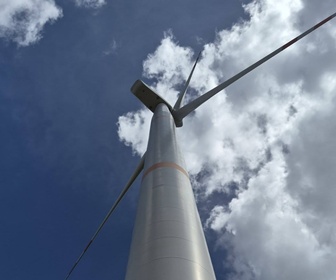
Onshore wind development has slowed considerably. Following a licensing pause between 2019 and 2022, local opposition and the introduction of a resource rent tax on onshore wind in 2024 have limited new grid-connected capacity. Only around 1MW was added in 2025. Licensing reforms proposed in September 2026, including two-year deadlines and the removal of state objection rights, could help accelerate development. Their impact will depend on municipal approval and access to the grid.
Offshore wind capacity is forecast to increase from 0.1GW in 2025 to 1.9GW by 2035, as the Sørlige Nordsjø II and Utsira Nord developments progress. However, higher costs and grid constraints have delayed development. The developer of the 1.5GW Sørlige Nordsjø II project requested an extension to its licensing deadline in June 2026.
Transmission constraints between Norway’s five bidding zones also contribute to regional differences in electricity prices, making domestic electricity prices and exports politically sensitive.
GlobalData estimates that Norway will attract approximately $6 billion in new power generation investment between 2026 and 2030. Wind is expected to account for 50.1% of this investment, followed by hydropower refurbishment and new-build projects at 33.9%, and solar photovoltaic at 16%. These figures exclude substantial investment in grid infrastructure and interconnectors led by Statnett.