



Europe’s wind energy sector continues to expand its workforce, according to the European Wind Energy Workforce Report published by WindEurope. The report estimates that employment in the sector could increase from 443,000 jobs today to more than 600,000 by 2030.
The wind industry currently supports around 443,000 jobs across Europe, including 211,000 direct roles covering wind farm development, manufacturing, installation, operation and decommissioning. Onshore wind remains the largest source of employment, while offshore wind now accounts for around 20% of direct jobs and is increasing its share.
WindEurope projects total employment in the sector to reach around 607,000 jobs by 2030. This outlook is based on an average annual installation rate of 30 GW between 2025 and 2030, in line with WindEurope’s latest market outlook.
Manufacturing represents almost half of all direct wind energy jobs in Europe. The region hosts more than 250 factories producing wind turbines and grid connection equipment. Over the past two years, the sector has invested more than €14bn in new and expanded manufacturing facilities.
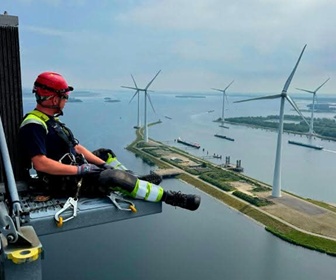
The report highlights growing skills shortages across the wind supply chain. WindEurope identifies 235 job profiles across the wind farm lifecycle, with the most urgent needs including around 7,000 blade technicians, 6,500 field engineers and 5,000 pre-assembly technicians by 2030. Many of the roles facing the largest shortages rely on vocational education and training pathways.
WindEurope calls on policymakers to expand training programmes, support retraining from other sectors, harmonise certifications and enable workforce mobility across Europe. The organisation also plans to launch a Workforce Development Tool to help track workforce needs by country, project phase and job profile.