



 New Study Shows Dramatic Reduction at Canadian Wind Energy Projects
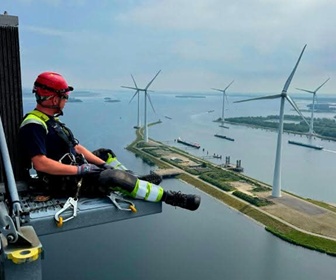
Wind energy is critical to a sustainable future for our planet. While the benefits of this energy source are numerous, one unintended consequence of the transition to wind energy is the impact wind turbines have on bats. Bats are remarkably important animals that have far-reaching ecological and economic impacts. As factors such as habitat loss and disease have led to rapid declines in bat populations, it is critical to address the additional risks from wind turbines.
By Brittany Good, Senior Marketing Specialist, NRG Systems, USA